Madeira: A Handwritten Script for Modern Design
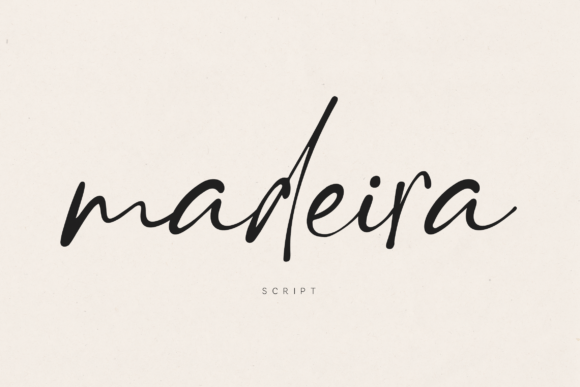
When a brand needs to convey warmth, elegance, and a human touch, typography becomes its most powerful voice. Madeira, a refined handwritten signature script, is designed to capture that natural flow and sophistication, offering designers a tool that feels both personal and polished. In a landscape saturated with digital precision, this script style brings a much-needed organic quality to modern typography projects, bridging the gap between digital design and human expression.
From a professional design perspective, choosing the right typeface is a foundational decision that impacts brand identity, user experience, and visual hierarchy. A script like Madeira isn't just decorative; it's functional. It serves a specific role in a designer's toolkit for projects where the goal is to feel elegant, personal, and expressive. Its smooth strokes and natural handwritten flow make it ideal for applications where direct human connection is key, helping to soften a brand's aesthetic and make communication more relatable.
Practical Applications in Visual Communication
The versatility of a well-crafted script allows it to enhance a wide range of creative assets. Here’s how a typeface like Madeira can be effectively integrated into various design workflows:
- Branding & Logo Design: It excels in creating distinctive logotypes, especially for boutique brands, lifestyle products, or services that prioritize a personal approach. It can establish a signature style that is instantly recognizable.
- Marketing & Social Media Graphics: For social media, where grabbing attention quickly is crucial, handwritten scripts add a layer of authenticity and warmth to quotes, callouts, and promotional graphics, improving engagement.
- Packaging & Editorial Design: On packaging, it can communicate craftsmanship and care. In editorial layouts, it’s perfect for pull quotes, chapter titles, or stylistic elements that break up formal body text.
- Digital Products & Web Design: Used sparingly and strategically in web design or UI, it can highlight key messages in hero sections or button text, guiding user attention and enhancing the overall user experience (UX).
Integrating Script Typography with Design Systems
While a script font adds flair, its effectiveness depends on thoughtful integration. Consistency is paramount. A script like Madeira should complement, not clash with, a brand's primary typefaces and color palette. It works best as an accent font, used for headlines, subheadings, or specific phrases rather than long-form body text, ensuring readability and maintaining a clear visual hierarchy.
When evaluating any creative asset, consider its scalability and compatibility. Does the font render cleanly at both large and small sizes? Does it harmonize with your existing brand system's imagery and tone? The goal is to use typography to strengthen your message, not distract from it. This thoughtful selection process is a hallmark of professional graphic design, ensuring every element serves a purpose in the larger composition.
Ultimately, the power of a tool like Madeira lies in its ability to inject personality and emotion into a visual design. In an era of digital marketing and sleek interfaces, the subtle imperfections and rhythmic flow of a handwritten script can make a brand feel more accessible, trustworthy, and memorable. By pairing such expressive typography with strong foundational design principles—clear composition, a cohesive color palette, and intentional messaging—creators can develop visual identities that are not only beautiful but also deeply effective in communicating their core values.